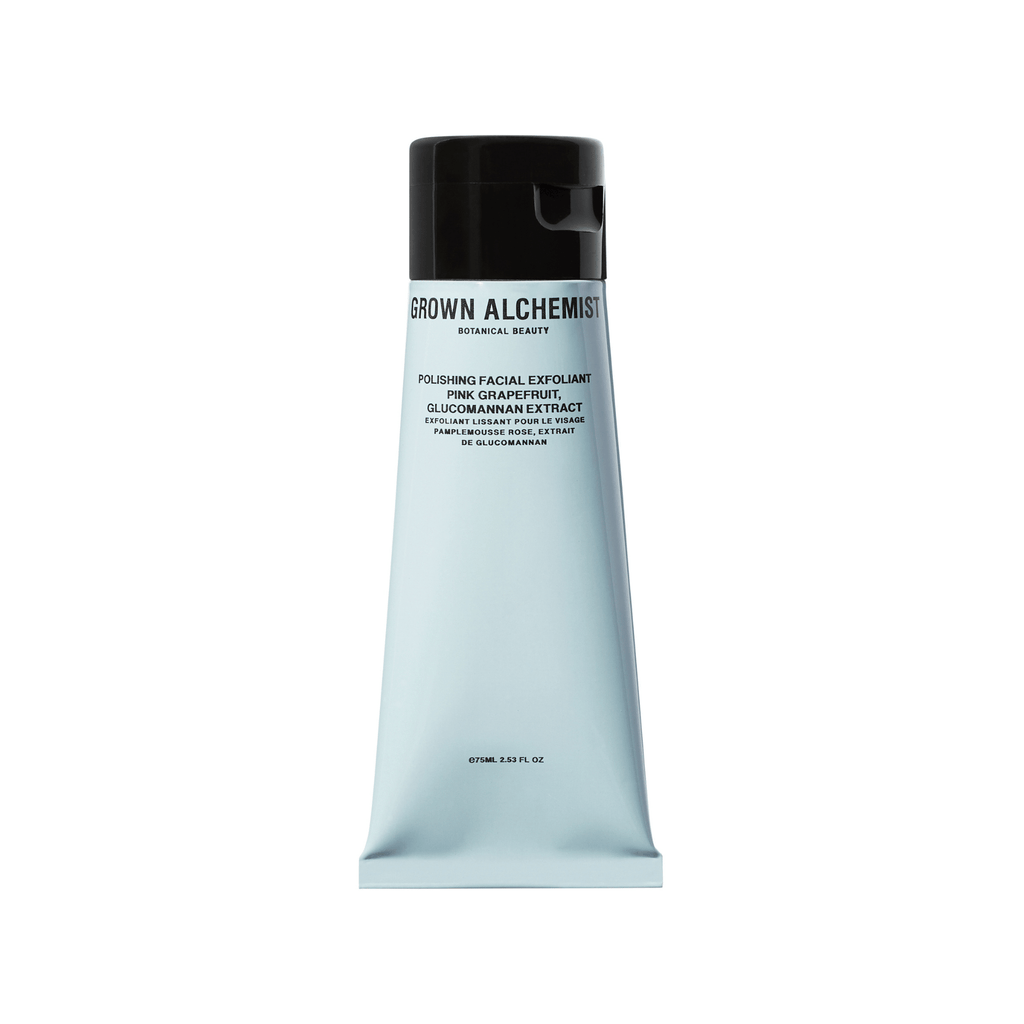
Exfoliation is a cornerstone of any comprehensive skincare routine, pivotal for maintaining radiant, healthy-looking skin. But in the conscientious skincare market, vegan exfoliants have surged in popularity, not just for their cruelty-free promise but also for their gentle yet effective results. In this deep dive into the world of vegan exfoliation, we’ll explore why these products are essential, what natural ingredients you can trust, and how to incorporate them into your skincare ritual.
Introduction to Vegan Exfoliants
Our skin naturally sheds dead cells, but sometimes it needs a little help. That's where exfoliants come in, assisting in removing dead skin to prevent clogged pores and improve texture. Vegan exfoliants are particularly special because they assure us that no animals were harmed or involved in the entire process of creating these products. They are formulated without animal-derived ingredients, commonly found in non-vegan exfoliants like glycerin (from animal fat), stearic acid (from animal fats), and lanolin (from wool).
The Benefits of Vegan Exfoliants
Opting for vegan exfoliants comes with a host of advantages:
Ethical Peace of Mind: Knowing that your beauty routine does not contribute to animal suffering can be a profound emotional benefit.
Environmental Responsibility: Plant-based ingredients generally have a smaller ecological footprint compared to animal-derived substances.
Suitable for Sensitive Skin: Vegan exfoliants often forgo harsh chemicals and synthetics, favoring natural ingredients that are kinder to the skin.
Nutrient-Rich Profiles: Many vegan exfoliants contain vitamins, minerals, and antioxidants derived from plant sources that offer additional skin benefits.
Types of Vegan Exfoliants
There are two main categories of exfoliants: physical and chemical. Vegan versions of both exist and cater to different needs and preferences.
Physical Exfoliants: These use small grains or a textured surface to manually remove dead skin cells. Vegan physical exfoliants utilize ingredients like:
Ground Coffee Beans: A natural abrasive that’s also rich in antioxidants.
Sugar Crystals: A gentle exfoliant that dissolves easily, reducing the risk of over-exfoliation.
Rice Bran: A soft yet effective exfoliant rich in vitamins and minerals.
Chemical Exfoliants: These involve the use of enzymes or acids to break down dead skin cells. Vegan chemical exfoliants often contain:
Alpha Hydroxy Acids (AHAs): Like glycolic acid from sugar cane, these are great for surface exfoliation and can help with fine lines and pigmentation.
Beta Hydroxy Acids (BHAs): Salicylic acid, naturally derived from willow bark, is oil-soluble and can penetrate deeper into the pores, making it ideal for acne-prone skin.
Fruit Enzymes: Papain (from papaya) and bromelain (from pineapple) are common vegan-friendly options that gently dissolve dead skin cells.
How to Choose a Vegan Exfoliant
Choosing the right vegan exfoliant depends on your skin type, concerns, and personal ethics. Here’s what to consider:
Skin Type: Sensitive skin might prefer enzymatic exfoliants, while oily skin might benefit from BHAs.
Skin Concerns: For textured skin or deep-set wrinkles, AHAs might be most beneficial.
Ethical Standards: Look for certifications from organizations like PETA, Vegan Action, or The Vegan Society to ensure the product aligns with vegan principles.
Best Vegan Exfoliants on the Market
The market offers a variety of vegan exfoliants catering to different needs. Some top picks include:
The Ordinary AHA 30% + BHA 2% Peeling Solution: A powerful blend of AHAs and BHAs perfect for experienced users looking for deeper exfoliation.
ACURE Brightening Facial Scrub: With sea kelp and French green clay, it’s great for all skin types.
Paula’s Choice 2% BHA Liquid Exfoliant: A cult favorite, particularly effective for acne-prone skin.
DIY Vegan Exfoliant Recipes
For those who love a personalized touch or prefer homemade skincare, creating your own vegan exfoliant is a satisfying project. Here are two simple recipes:
Sugar and Coconut Oil Scrub:
Mix equal parts of organic coconut oil and sugar to form a paste. Use it to gently scrub the skin in a circular motion before rinsing.
Oatmeal and Almond Oil Exfoliant:
Ground oatmeal soothes the skin while almond oil moisturizes. Mix with a bit of water to create a paste for a gentle exfoliating mask.
Incorporating Vegan Exfoliants into Your Skincare Routine
It's important to use exfoliants correctly to avoid damaging the skin:
Frequency: Start with exfoliating once a week, gradually increasing as your skin gets accustomed to it.
Application: Apply chemical exfoliants with a cotton pad or use your fingers to massage in a circular motion for physical ones.
Aftercare: Always follow up with a vegan moisturizer to hydrate the skin after exfoliation.
Conclusion
Vegan exfoliants are an essential part of a conscious skincare routine, delivering not only ethical peace of mind but also unparalleled results. Whether you opt for an off-the-shelf solution or whip up your own concoction at home, the world of vegan skincare offers a plethora of options to keep your skin glowing without compromising your values.
For those looking to delve deeper into vegan beauty, the journey doesn’t stop at exfoliants. There’s a whole world of cruelty-free, plant-based skincare waiting to be discovered. So why not start with the basics? By choosing vegan exfoliants, you're choosing a kinder beauty regime that benefits your skin, the animals, and the planet.
As you navigate through the ever-expanding universe of vegan skincare, let each choice be a reflection of your values and each routine be an act of conscious self-care.
 Wellness Hub
 The Edit